
Recently, it was time for me to be re-evaluated for my next powerchair. I used the opportunity to document the process. And yes, given the current government administration, I have no idea how long this process will be assured to even happen for people with Medicare and Medicaid.
Many people wonder how do disabled people get a wheelchair?

The process of getting a wheelchair prescribed is probably one of the most misunderstood or under-appreciated procedures there is. Even for people who need them.
Whether a person needs a custom manual, power-assist or full powerchair is just one of the decisions that will be made during the process.
For many people, it begins with an appointment with their doctor. For others, it begins in the hospital or rehab center after an accident, injury, or the diagnosis of a severe progressive disability.
A doctor will commonly refer the patient to a physical therapist who specializes in fitting wheelchairs to people.
The fitting appointment is called a “Seating Clinic.”

The patient will also select a Durable Medical Equipment (DME) service.
There are innumerable private shops, but in the US, the national ones are National Seating and Mobility and NuMotion. The DME sends an Assistive Technology Professional (ATP) to join the wheelchair evaluation appointment with the patient and physical therapist.
For people who are purchasing a wheelchair without insurance, they might only deal with an ATP through the company they are using as a DME and may not visit a physical therapist.
It is highly recommended not to skip the PT part, as the ATP and PT work together to suggest options and equipment that will help the patient in their quest for support and freedom.
The right mobility equipment can not only provide the disabled person a freedom from being bed or recliner-dependant, but when a wheelchair is built to the custom specifications of the disabled person’s body, it can reduce their daily pain level significantly.
When justifying the cost of a custom wheelchair to insurance companies, it is important to note the number of falls the patient has had in the past 6 months to a year. The circumstances of those falls and how they could have been prevented by the proper mobility aid can help insurance accept the cost of the chair.
The PT and ATP will measure the patient during the appointment and ask a multitude of questions about the patient’s abilities and medical history.
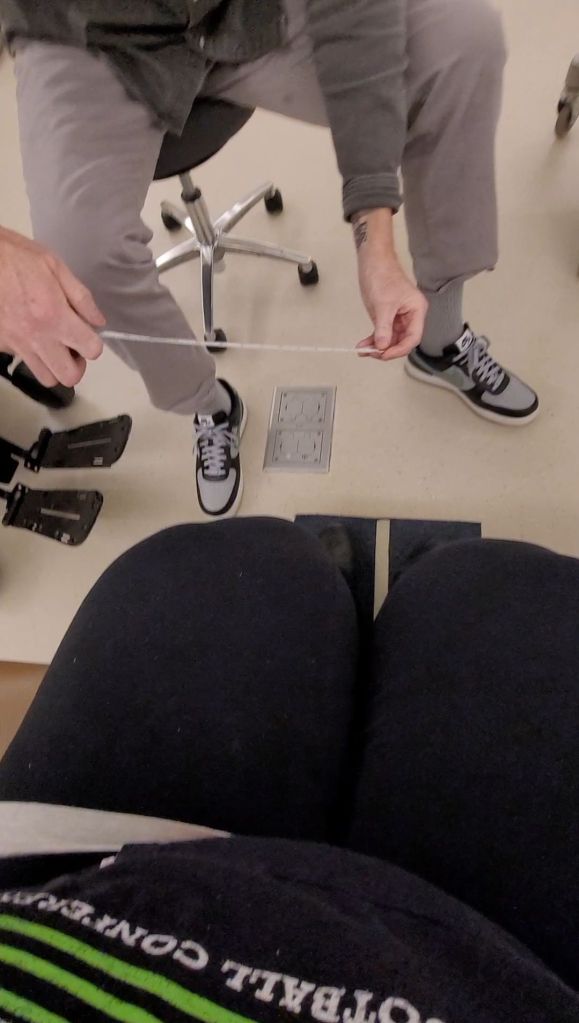
At the conclusion of the appointment, the resulting document that goes back to the doctor and on to the DME and insurance company is often the most comprehensive health evaluation a disabled person will ever have.
It is a letter of medical necessity that explains all of the reasons why the patients needs each part of the custom chair.

The referral for the wheelchair, with all of the documentation from the PT, gets signed by the doctor and sent on to the DME for insurance approval and then to order the recommended equipment.
Optionally, the patient might have a home visit to assure their home will be accessible to the chosen equipment and also to measure cupboards and elevated microwaves and freezers to justify a lift to be included on a powerchair.
Another option is that the patient might have a second visit with the PT and ATP to try out equipment that is new to the patient. They may try manual wheelchairs, mid-wheel drive, front-wheel, or even rear-wheel drive powerchairs.
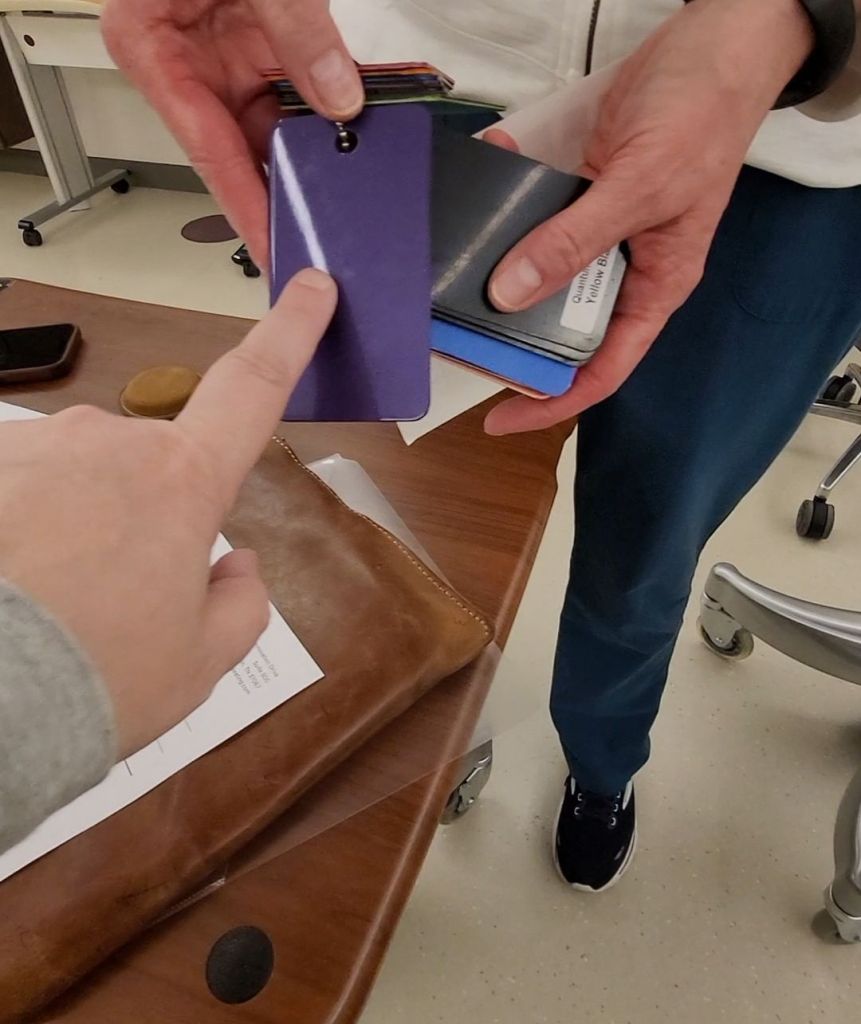
After all of the appointments are finished and the paperwork is submitted to the DME, the long wait begins for the insurance approval.
For patients with Medicare-Medicaid Dual coverage, it can be advantageous to assure they are not on a managed care plan (like UHC or similar) because those plans have been known to drag out the approval process for over six months, with continual denials.
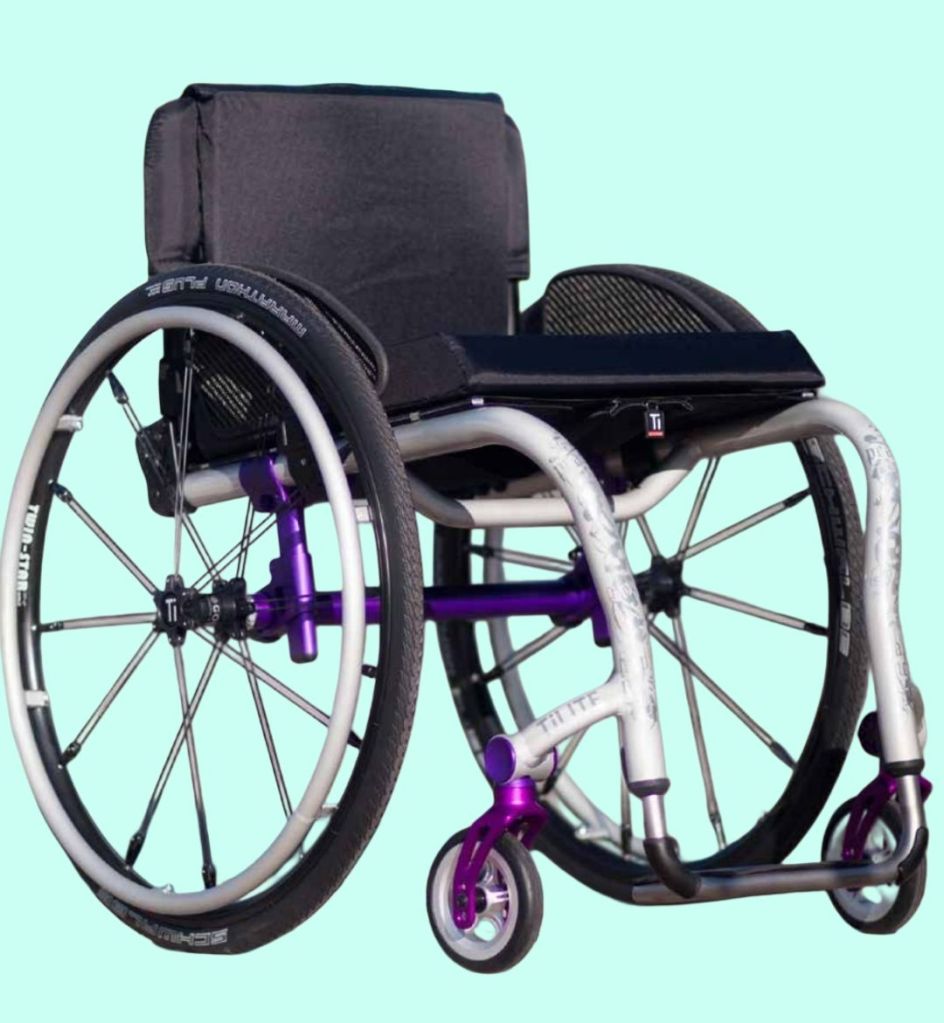
Standard Medicare and other insurance companies, the turnaround time for insurance approval can be as short as 10 days to 2 weeks.
After insurance has given their pre-approval to the DME for the recommended chair, all of the parts for the chair are ordered from the suppliers.
The DME receives the parts, assembles the chair, and then will arrange home delivery of the chair to the patient.
When the chair is delivered, final adjustments are made by the ATP. The chair is then billed to the insurance company that pre-approved it.
From a doctor appointment for a referal to a seating clinic, to the delivery of a wheelchair, it averages around six months.
Have you ever had a seating clinic appointment? Do you have any questions about the process of having a wheelchair prescribed?

 M.E. Slighte